Safety guide
Honey Peak Gelatin Side Effects: Is It Safe, and Who Should Skip It?
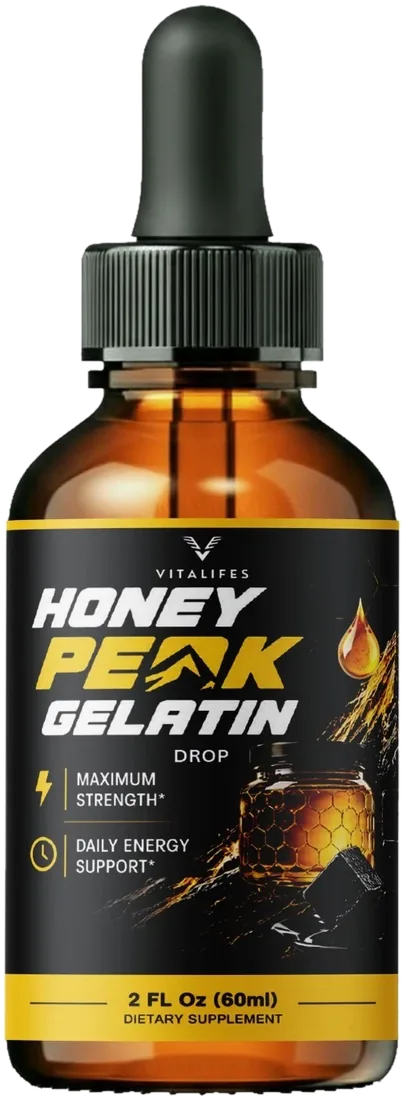
Honey Peak Gelatin side effects reported for its six herbs are usually mild for a healthy adult who takes no medicine and keeps to 1 ml twice a day. Medicines are the bigger issue: horse chestnut and grape seed may stack with blood thinners, hawthorn with heart and blood pressure drugs, and motherwort and gotu kola with sedatives. If you take any medicine, ask your doctor before the first dose.
Key facts
- The label asks you to talk to your doctor first when you use any medication or live with a medical condition.
- Possible interactions: blood thinners, heart and blood pressure medicines, and sedatives.
- Reported effects for the extracts are mostly mild: stomach upset, nausea, headache, dizziness or itching.
- Not for anyone under 18, pregnant or breastfeeding.
- A bottle with a broken, damaged or missing safety seal should not be used.
- No allergen statement is printed, and the amount of each extract is not published.
- Neither this drop nor any other dietary supplement is FDA approved, since the FDA does not approve them.
How safe is Honey Peak Gelatin for a healthy adult?
Think of two men. One is healthy and takes no medicine. The other takes a blood pressure pill and a daily aspirin. The same bottle is a different question for each of them.
For the first man, the dose is small and the reported effects of these herbs are mostly mild. For the second, the worry is not the dose. It is the interaction. For each of the six extracts there is a kind of common medicine it may interact with.
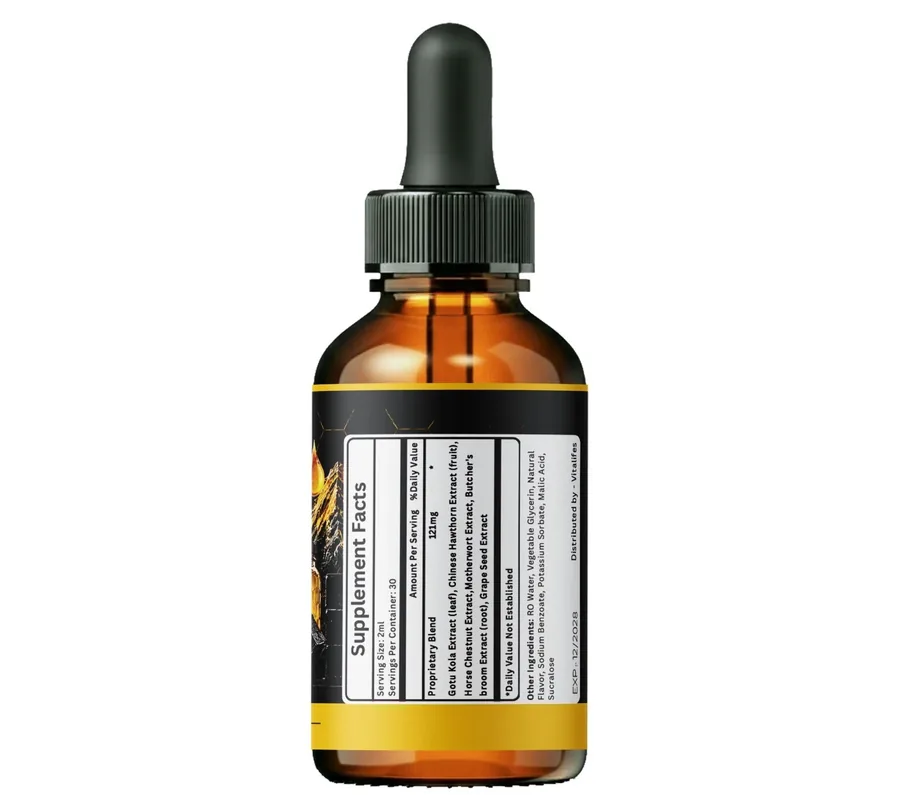
The label itself prints one caution, which reads in part: “Check with your doctor before using this product if you are using medication or have any medical conditions.” It also says to keep the bottle out of reach of children and to store it in a cool, dry place.
One more fact matters here. The amount of each extract is not printed anywhere. That means no one can tell you your exact daily amount of horse chestnut or hawthorn, so the safe habit is to treat every extract as present in a real amount.
Which medicines can clash with the six extracts?
| Extract | May interact with | Why it matters |
|---|---|---|
| Horse chestnut | Blood thinners and antiplatelet drugs, for example warfarin, clopidogrel or a daily aspirin | It may add to their effect on clotting. Tell your surgeon before any operation |
| Grape seed | Blood thinners and antiplatelet drugs | It may add to the blood-thinning effect, which matters before surgery |
| Chinese hawthorn | Heart medicines (digoxin, beta-blockers, nitrates) and blood pressure drugs | It may strengthen their pull on heart rate or blood pressure |
| Butcher's broom | Blood pressure medicines | It may change how these drugs work |
| Motherwort | Sedatives and sleep aids | It may add to drowsiness |
| Gotu kola | Sedatives and sleep aids | It may add to drowsiness |
These are possible interactions and not proven events at this dose. Still, if you take a drug in the middle column, wait for your doctor or pharmacist to say yes. Bring the bottle or a photo of the label. Within a few minutes a pharmacist can run all six extracts against your medicine list.
Before surgery or dental work, tell the surgeon or dentist you take a blend with both horse chestnut and grape seed. Ask when to stop and when it is safe to start again.
What side effects do the extracts list?
The National Center for Complementary and Integrative Health (NCCIH) reports mostly mild effects for the three extracts it covers. For the other three, we found no fact sheet to cite, so we say so.
| Extract | What NCCIH reports | Source |
|---|---|---|
| Horse chestnut seed extract | Itching, nausea or stomach upset. Raw seeds, bark, flowers and leaves are unsafe to eat | NCCIH, 2025 |
| Grape seed extract | Generally well tolerated. Listed effects are headache, a dry or itchy scalp, dizziness and nausea | NCCIH, 2025 |
| Hawthorn | Uncommon and usually mild, for example nausea or dizziness | NCCIH, 2025 |
| Gotu kola, motherwort, butcher's broom | No fact sheet cited here. Human safety data at this blend size is thin | Ask your pharmacist |
The raw horse chestnut warning is worth a line of its own. Supplements use a processed seed extract. Never swap the drops for a homemade horse chestnut product.
Do the drops matter if you drive for work or hold a CDL?
People search for “side effects on CDL”, so we will answer as far as the sources allow. Nothing on the label or in our sources mentions driver licences, employer rules or drug-test results. We will not guess.
What we do know is that motherwort and gotu kola may add to drowsiness, and sedatives or alcohol may add to it too. If you ever feel unusually sleepy, do not drive and stop the drops. If you hold a commercial licence, ask your doctor and read your employer's rules before you start.
Who should not take Honey Peak Gelatin?
- Anyone under 18.
- Anyone who is pregnant or breastfeeding.
- Anyone on a blood thinner or antiplatelet drug, unless a doctor agrees.
- Anyone on a heart medicine such as digoxin, a beta-blocker or a nitrate, or on a blood pressure drug, unless a doctor agrees.
- Anyone taking a sedative or sleep medicine, unless a doctor agrees.
- Anyone with surgery coming up.
- Anyone who has reacted to any of the six herbs in the past.
What about sucralose, glycerin and the preservatives?
Seven other ingredients are listed: RO water, vegetable glycerin, natural flavor, sodium benzoate, potassium sorbate, malic acid and sucralose. They are common in liquid supplements.
Sucralose is a no-calorie sweetener, so note it if you avoid artificial sweeteners. Two preservatives keep an opened liquid stable. The label does not say what the natural flavor is made from and prints no allergen statement. With a food allergy, phone the order desk before buying.
When should you stop and get help?
Emergency signs
Swelling around the face, lips or throat, trouble breathing, chest pain or a faint. Stop the drops and call 911.
Bleeding signs
Fresh bruises, a nosebleed that will not stop, or blood in urine or stool. Call your doctor, most of all if you take a blood thinner.
Heart or dizziness signs
A racing or pounding heart, or faintness on standing up. Stop and call your doctor.
Too drowsy
Unusual sleepiness, especially with a sedative or alcohol. Do not drive, and stop the drops.
Stomach upset that lasts
Nausea or loose stools for more than a few days. Stop and see if it clears.
To report a serious reaction, use the FDA's MedWatch program and tell the order desk too. Keep the bottle and note the lot code, HON-26/HO-7986, and the EXP date, 12/2028.
Can you take it every day?
The label sets a daily routine of 1 ml twice daily, or as directed by your healthcare provider, and gives no limit on how many days. It names no larger amount either, so do not take more. If you plan to use it daily for months, tell your doctor, because a daily habit means daily exposure to all six herbs.
Frequently asked questions
Is Honey Peak Gelatin safe?
Most healthy adults who take no medicine are unlikely to have trouble at the label dose, and reported effects for these herbs are mostly mild. The main risk is interaction with medicines, so check with your doctor first.
What are the side effects of Honey Peak Gelatin?
The label lists none. Government fact sheets for the extracts report stomach upset, nausea, headache, dizziness and itching. Stop and get help for signs of an allergic reaction.
Can I take Honey Peak Gelatin with blood pressure medicine?
Only if your doctor approves. Chinese hawthorn and butcher's broom may change how blood pressure drugs act, and hawthorn may also clash with heart medicines.
Can I take it with aspirin or a blood thinner?
Ask your doctor first. Horse chestnut and grape seed may boost blood thinners and antiplatelet drugs, which can raise the risk of bleeding.
Does it affect a CDL or a drug test?
The label and our sources do not say. Motherwort and gotu kola may add to drowsiness, so ask your doctor and check your employer's rules before you start.
What if the safety seal is broken?
Leave the bottle unused. The label tells you not to use it with a broken, damaged or missing seal. Phone the order desk with your order ID.
Sources for this page
- National Center for Complementary and Integrative Health. Horse Chestnut. Updated April 2025. Source
- National Center for Complementary and Integrative Health. Grape Seed Extract. Updated February 2025. Source
- National Center for Complementary and Integrative Health. Hawthorn. Updated April 2025. Source
- Pittler MH, Ernst E. Horse chestnut seed extract for chronic venous insufficiency. Cochrane Database of Systematic Reviews, 2012. Source
- U.S. Food and Drug Administration. Dietary Supplements. Source
- NIH Office of Dietary Supplements. Dietary Supplements: What You Need to Know. Source
Keep reading
Our view
The sources paint an ordinary picture. The extracts have mild reported effects, and the real risk is a medicine that mixes badly with one of them. That risk is easy to manage with one conversation, and easy to ignore without it.
If you take any prescription, or you have surgery coming, talk to your doctor or pharmacist before the first drop. If you take nothing and feel fine, the label dose is small, but keep an eye on how you feel and stop if something seems wrong.
Last updated
Ready when you are
Read the label, then choose
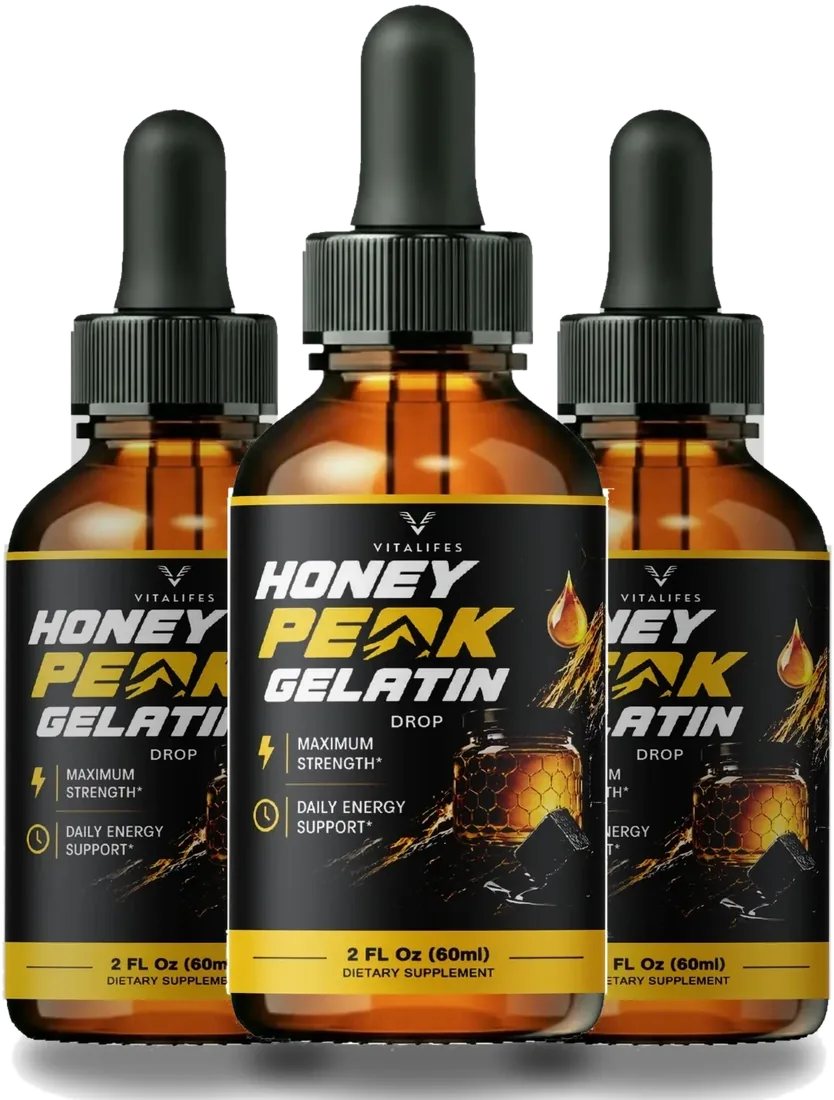
Orders from this site ship from the US with tracking, and every pack carries a 60-day money-back guarantee. The written terms print at checkout.
We earn money when you buy through our order links. That does not change the price you pay.