Research review
Honey Peak Gelatin's Six Extracts: What the Research Tested
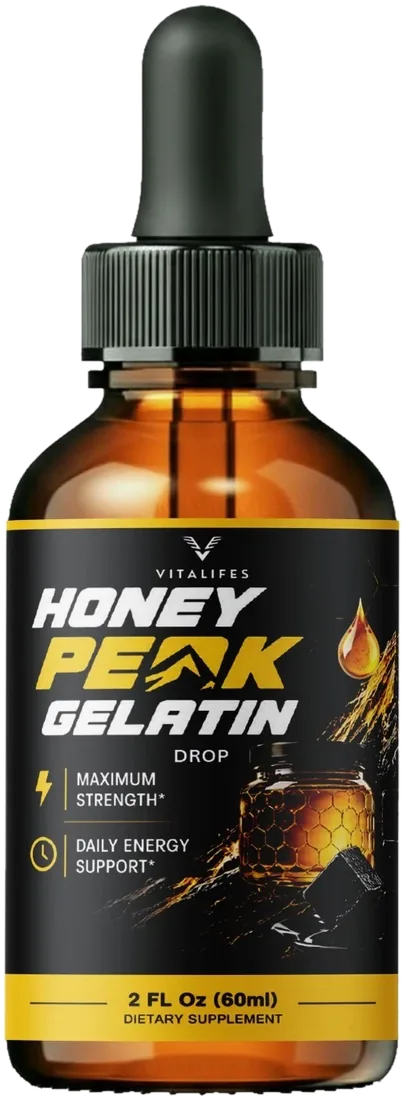
The research on Honey Peak Gelatin's six extracts mostly tested leg vein comfort, not energy. Horse chestnut, gotu kola, butcher's broom and grape seed were studied at doses from 60 mg to 2,000 mg a day, often in people with chronic venous insufficiency. Hawthorn and motherwort have limited human data. This blend holds 121 mg for all six.
What did the research on these six extracts actually test?
Mostly leg vein comfort, not energy. Four of the six extracts in Honey Peak Gelatin were studied mainly in people with chronic venous insufficiency. The other two have thin human research.
That matters because the label says "Daily Energy Support". The studies behind these herbs looked at swelling, heaviness and blood pressure. They did not test whether healthy men feel more energetic. This post walks through each extract, what was tested, who took part and how much they used.
We link every study so you can read it yourself. Where the research is weak, we say so.
The six extracts at a glance
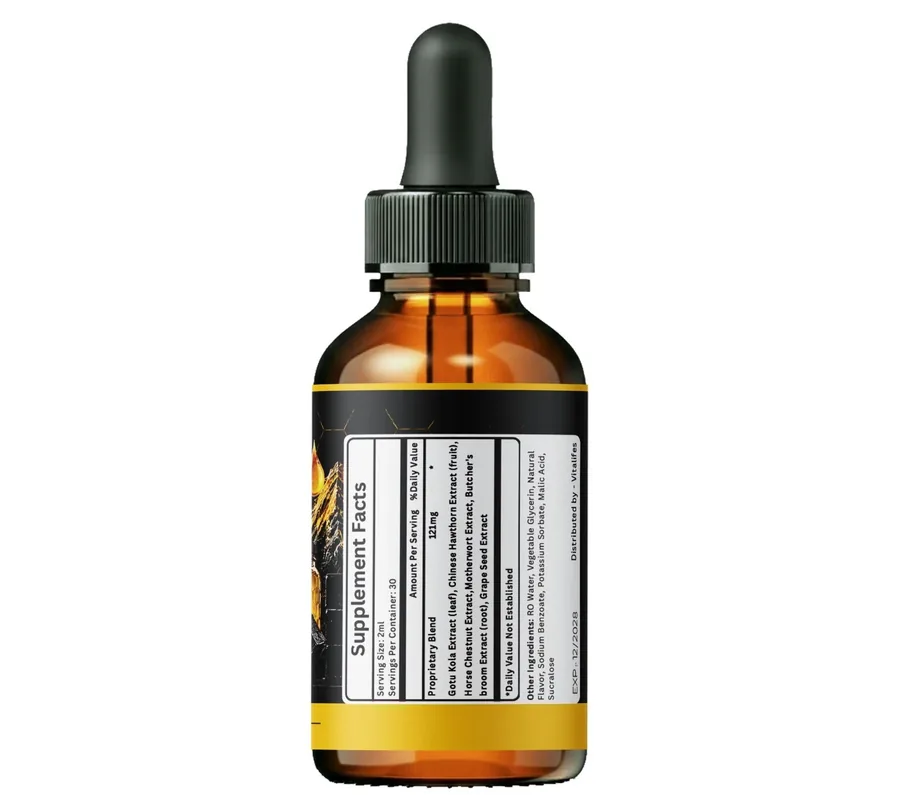
The label lists six extracts in one 121 mg blend. The order runs from most to least by weight, so each extract has a ceiling. The table compares that ceiling with what the research used.
| Extract (label order) | Most-cited research | Who was studied | Study amount | Ceiling in this blend |
|---|---|---|---|---|
| Gotu kola | Chong and Aziz, 2013 | People with chronic venous insufficiency | 60 to 180 mg a day of a triterpene fraction | Up to 121 mg |
| Chinese hawthorn | NCCIH, 2025 | Limited human evidence | No settled amount | Up to about 60.5 mg |
| Horse chestnut | Pittler and Ernst, 2012 | People with chronic venous insufficiency | About 100 to 150 mg of aescin a day | Up to about 40 mg |
| Motherwort | Wojtyniak and others, 2013 | Mostly lab and animal work | No human dose set | Up to about 30 mg |
| Butcher's broom | Vanscheidt and others, 2002 | People with chronic venous insufficiency | Standardized preparation twice daily, 12 weeks | Up to about 24 mg |
| Grape seed | Zhang and others, 2016 | Adults in blood pressure trials | Low hundreds up to 2,000 mg a day | Up to about 20 mg |
The ceilings are math limits, not real amounts. The label does not print how much of each extract is in a serving. Our Supplement Facts page shows how the ceilings are worked out.
Gotu kola: the largest share
Gotu kola is listed first, so it is the largest part of the blend. Human trials mostly tested a triterpene fraction in people with vein problems in the legs.
A systematic review by Chong and Aziz (2013) looked at those trials. Doses usually ran 60 to 180 mg a day of the triterpene fraction. That is a concentrated part of the plant, not a general leaf extract. The label here says "Gotu Kola Extract (leaf)" and does not say whether it is standardized. So even if gotu kola made up most of the blend, we cannot match it to those trials.
Chinese hawthorn: limited human evidence
Chinese hawthorn is the second-largest share, at most about 60.5 mg. Human evidence on hawthorn is limited, according to NCCIH.
Chinese hawthorn (Crataegus pinnatifida) is a tart fruit used in traditional Chinese food and herbal practice. Most Western research looks at other hawthorn species and preparations. NCCIH also notes a 2024 FDA warning about fake hawthorn and tejocote products that held yellow oleander, a toxic plant. That warning was about counterfeit products sold under those names, not about this one. It is a good reason to buy any herbal product from a traceable seller.
A medicine check
Hawthorn may interact with heart medicines such as digoxin, beta-blockers and nitrates, and with blood pressure drugs. If you take any of these, ask your doctor before starting.
Horse chestnut: the most-studied for vein comfort
Horse chestnut has the strongest trial record of the six, but for a narrow use. A Cochrane review by Pittler and Ernst (2012) found it helped leg pain and swelling in people with chronic venous insufficiency over short periods.
Those trials used standardized seed extracts giving about 100 to 150 mg of aescin a day. Aescin is the main active compound. In this blend, horse chestnut is third, so it can be at most about 40 mg of extract. The label does not say how much aescin that extract holds.
NCCIH notes that raw horse chestnut seeds, bark and leaves are unsafe. Only standardized seed extract is used in supplements.
Motherwort: mostly lab and animal work
Motherwort is a mint-family herb with a long traditional use. Most of its research is in the lab or in animals, not in people.
Two reviews cover the plant's chemistry and lab effects: Wojtyniak and others (2013) on Leonurus cardiaca and Shang and others (2014) on Leonurus japonicus. Neither sets a human dose for daily use. The label does not say which species it uses. With a ceiling of about 30 mg, motherwort is a small part of the blend.
Butcher's broom: one 12-week trial
Butcher's broom was tested in a 12-week placebo-controlled trial in people with chronic venous insufficiency. Participants took a standardized preparation twice daily (Vanscheidt and others, 2002).
The trial measured leg volume and symptoms, not energy. The preparation used was standardized for its active compounds. The label here lists "Butcher's broom Extract (root)" with no standard stated and a ceiling of about 24 mg. A broader Cochrane review of phlebotonics covers this herb group and its limits.
Grape seed: blood pressure trials
Grape seed extract was studied most in blood pressure trials. A meta-analysis of 16 trials by Zhang and others (2016) covered doses from the low hundreds of milligrams up to 2,000 mg a day.
In this blend, grape seed is listed last. It can be at most about 20 mg. NCCIH notes that grape seed may add to the effect of blood thinners. Horse chestnut may do the same, so the two matter together if you take such a medicine or have surgery coming up.
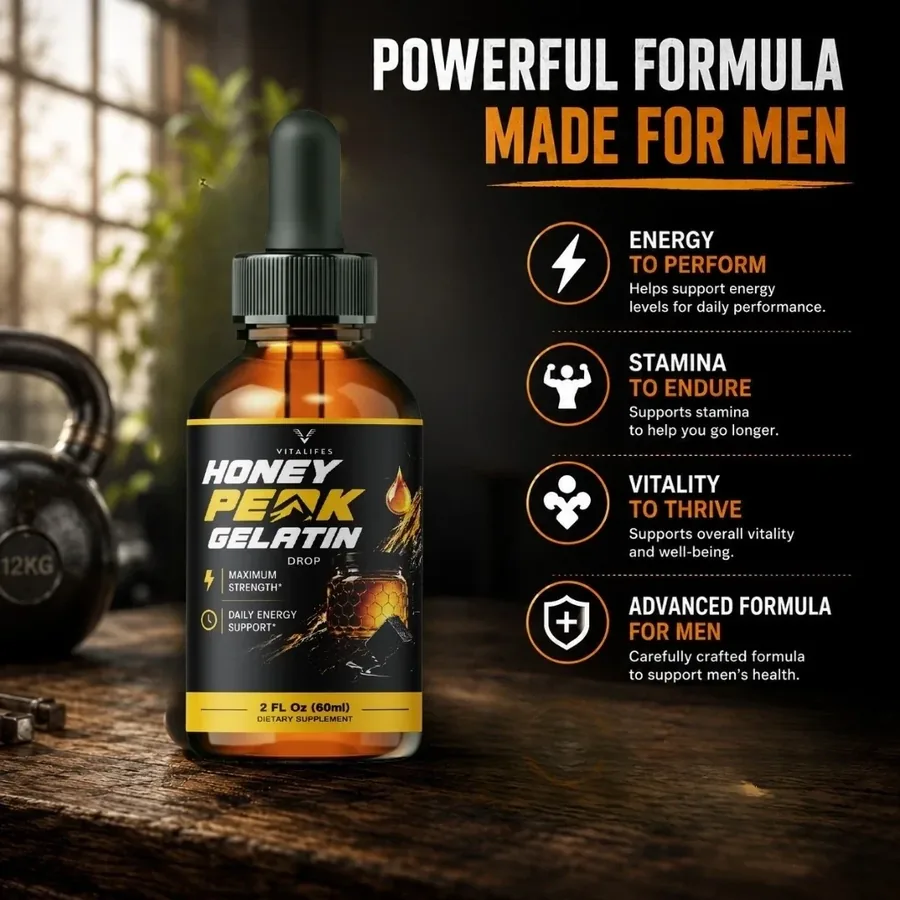
The brand panel lists four claim lines, such as "Energy to perform" and "Vitality to thrive". Those are the brand’s words.
None of the studies above measured energy, stamina or vitality in healthy men. That gap is the main takeaway of this review. The how it works page covers the label claims in more detail.
What this means if you are thinking of buying
The research does not show that this blend supports energy. It shows that some of these herbs, at much larger standardized doses, helped leg vein symptoms in people with a vein condition. That is a different question.
- No study tested this exact 121 mg blend.
- No study on these herbs measured daily energy in healthy men.
- Every single-extract study amount is above what this blend can hold for that extract.
- The label does not say if any extract is standardized.
If you still want to try it, go in with small expectations and a plan. Our routine post, 1 ml twice a day, shows how to keep the dose steady and track how you feel. Our label post, no honey, no gelatin, covers what else is in the bottle. For the full list of interactions, read the side effects page.
Questions people ask about this
Has Honey Peak Gelatin itself been studied?
No study of this exact blend has been published. The research is on single extracts, usually at larger standardized doses.
Which extract has the most research?
Horse chestnut. A Cochrane review found benefits for leg pain and swelling in people with chronic venous insufficiency, using about 100 to 150 mg of aescin a day.
Do any of the studies measure energy?
No. The studies cited here measured leg symptoms, blood pressure or lab effects. None measured daily energy in healthy men.
Why does the table show ceilings instead of amounts?
The label prints only the 121 mg blend total. The ceilings come from the rule that blends list ingredients from most to least by weight.
Which extracts may interact with medicines?
Horse chestnut and grape seed may add to blood thinners. Hawthorn may interact with heart and blood pressure drugs. Motherwort and gotu kola may add to sedatives.
Sources for this page
- Chong NJ, Aziz Z. A systematic review of the efficacy of Centella asiatica for improvement of the signs and symptoms of chronic venous insufficiency. Evid Based Complement Alternat Med, 2013. Source
- National Center for Complementary and Integrative Health. Hawthorn. Updated April 2025. Source
- Pittler MH, Ernst E. Horse chestnut seed extract for chronic venous insufficiency. Cochrane Database of Systematic Reviews, 2012. Source
- National Center for Complementary and Integrative Health. Horse Chestnut. Updated April 2025. Source
- Wojtyniak K, Szymański M, Matławska I. Leonurus cardiaca L. (motherwort): a review of its phytochemistry and pharmacology. Phytother Res, 2013. Source
- Shang X, et al. Leonurus japonicus Houtt.: ethnopharmacology, phytochemistry and pharmacology of an important traditional Chinese medicine. J Ethnopharmacol, 2014. Source
- Vanscheidt W, et al. Efficacy and safety of a Butcher's broom preparation (Ruscus aculeatus L. extract) compared to placebo in patients suffering from chronic venous insufficiency. Arzneimittelforschung, 2002. Source
- Martinez-Zapata MJ, et al. Phlebotonics for venous insufficiency. Cochrane Database of Systematic Reviews, 2020. Source
- Zhang H, et al. The impact of grape seed extract treatment on blood pressure changes: a meta-analysis of 16 randomized controlled trials. Medicine (Baltimore), 2016. Source
- National Center for Complementary and Integrative Health. Grape Seed Extract. Updated February 2025. Source
Keep reading
Ready when you are
Order Honey Peak Gelatin from the authorized US retailer
30 servings in every 2 fl oz bottle, 1 ml twice a day. 60-day money-back guarantee. Tracking, changes and refunds go through the order desk listed in the footer.